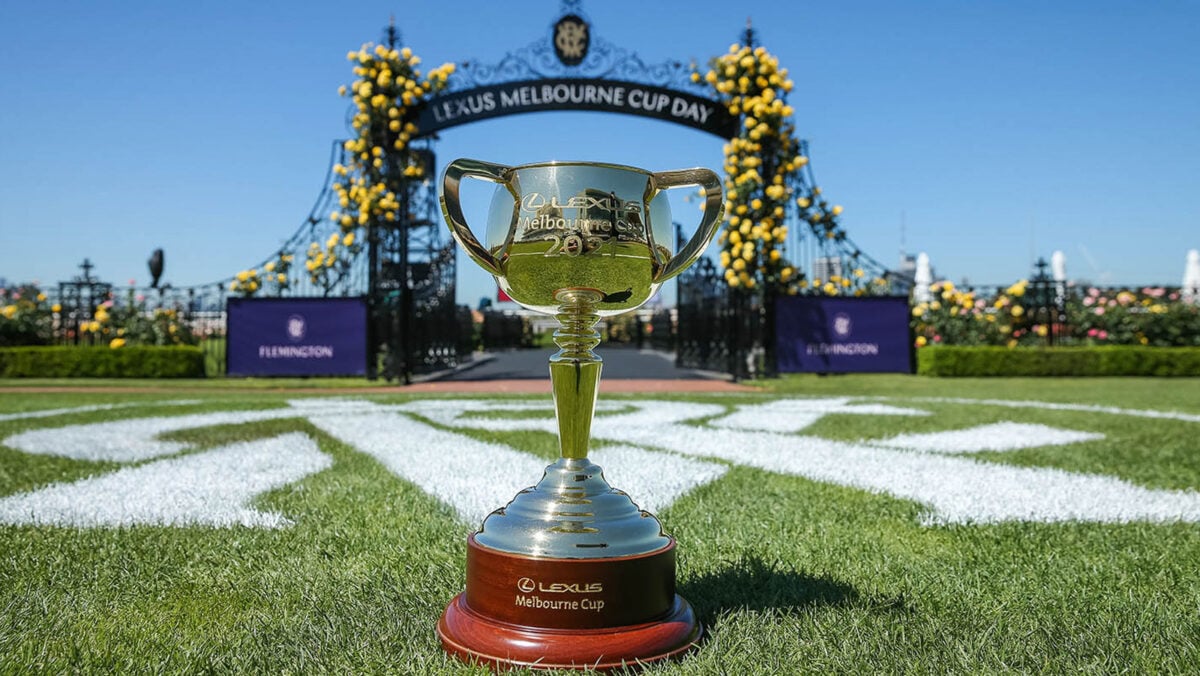

The Victoria Racing Club has added one of France’s leading staying contests, the Prix Kergolay, to the list of Melbourne Cup ballot-exempt races.
International participation has helped shape the modern Cup. It has broadened its reach, added intrigue to the form and elevated the race’s global profile. The golden ticket concept fits neatly within that strategy, giving overseas connections a clear and compelling pathway to Flemington.
Importantly, the VRC has already shown this model can work locally through races such as The Bart Cummings and Roy Higgins. Adding the Geelong Cup and Moonee Valley Gold Cup was a logical next step, albeit one that took a while!
If the goal is to maximise the long-term strength, relevance and visibility of the Melbourne Cup, then extending ballot exemptions to Australia’s own staying races feels not just logical, but necessary.
Races such as the Adelaide Cup, Sydney Cup, Brisbane Cup and Perth Cup, and even the Hobart Cup, all carry honour rolls filled with champions of the turf. These were once defining contests on the Australian calendar, producing elite stayers and shaping the narrative of the sport.
But that belongs to another era.
In recent years, their relevance has eroded significantly. They have slipped from being genuine pillars of the calendar to races that sit on the periphery, largely disconnected from the biggest staying prize in the country.
That is not an indictment on those races, but a reflection of the direction Australian racing has taken. The industry’s focus has shifted heavily towards speed and precocity, and in that environment, staying races have gradually lost their place in the spotlight.
Which is exactly why this is such a compelling opportunity.
At the moment, we are effectively exporting opportunity, handing ballot-free entry to international races while our own staying program is left to fight for relevance. For a race that calls itself the pinnacle of Australian racing, there is a strong case that the domestic pathway should be just as clearly defined and just as heavily incentivised.
Granting Melbourne Cup ballot exemption to the winners of these races would not simply be a reward, it would be a reset.
It would immediately elevate their importance, giving owners and trainers a genuine target and providing punters with a clear narrative to engage with. These races would no longer exist in isolation, but as part of a connected national series with a direct and tangible outcome.
Win one, and you are in the Melbourne Cup.
One of the great strengths of The Everest is its constant presence in the conversation. Every major sprint performance is framed through the lens of whether a horse is an Everest contender. It creates ongoing engagement, builds anticipation and keeps the race front of mind well before raceday.
The Melbourne Cup does not currently benefit from that same year-round relevance.
Linking Australia’s staying races to the Cup changes that.
Each of these Cups becomes a moment where the Melbourne Cup re-enters the conversation months in advance. The winner is no longer just a result, but a confirmed runner with a storyline that carries through winter and into the spring.
From a marketing perspective, it is a powerful play.
These race days effectively become Melbourne Cup lead-in events. The build-up, the broadcast and the post-race coverage all naturally centre around the Cup. The presentation of a golden ticket on track becomes a moment in itself, reinforcing the connection and creating content that travels well across digital and social platforms.
For the VRC, it extends the Melbourne Cup’s footprint across the entire Australian racing calendar.
For the broader industry, it offers a pathway to reinvigorate a category that has been allowed to drift. Increased relevance should lead to stronger fields, greater investment in staying horses and renewed interest from both local and international participants.
It also strengthens the connection for Australian owners.
The Melbourne Cup remains the race every owner dreams of winning. Providing more domestic pathways into that race reinforces that aspiration and gives local participants a clearer route to the biggest stage.
Cynics will point to the recent honour rolls of these races and suggest most winners would struggle to beat the ambulance home in a Melbourne Cup. That criticism is not without merit. But this is not about the next 12 months, it is a long-term play. It is about rebuilding Australia’s staying ranks, restoring these Cup races to relevance, and strengthening the Melbourne Cup itself, which has drifted from the everyday conversation of punters outside of spring.
Importantly, this does not need to come at the expense of international participation. The global golden ticket races can remain, continuing to attract overseas talent and maintain the Cup’s international flavour. This is not about replacing that strategy, but balancing it.
There are also practical safeguards available if required. A form clause could allow ballot exemption to be reviewed should a qualifying horse fail to maintain a competitive profile leading into the spring, protecting the integrity of the race while preserving the incentive.
Ultimately, this is about recognising the Melbourne Cup as more than just a standalone event.
It is the centrepiece of Australian racing, and there is an opportunity to better align the domestic calendar around it. By reconnecting the Cup with Australia’s staying races, the VRC can strengthen both the lead-up and the main event, while creating a narrative that builds across the entire year.
Applying that same thinking across Australia may be most effective way to ensure the Melbourne Cup remains not only globally relevant, but deeply connected to the Australian racing landscape that built it.
After all, it’s Australia’s race. The VRC just happens to be the custodian.