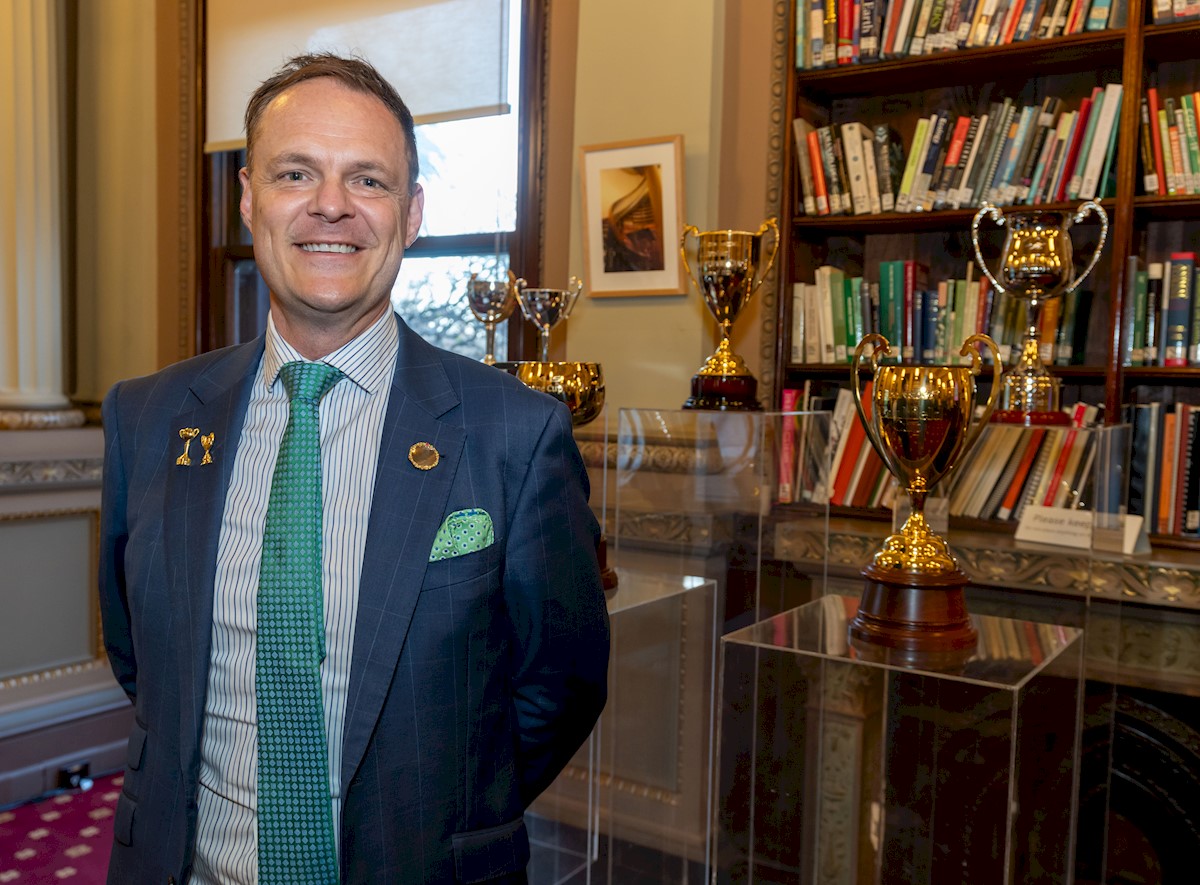

Racing Victoria has given their first wide-ranging explanation of how it plans to deal with racing’s ongoing drug saga, revealing they will conduct a global investigation into the possibility the banned substance at the centre of the drama is naturally produced by horses.
Five trainers recently pleaded guilty to their runners having banned substance Formestane in their system despite claiming they did nothing wrong and had no idea how the substances came into their system. It’s a claim Racing Victoria now accepts. Scores more trainers face similar charges in the coming months.
Racing Victoria CEO Aaron Morrison told Betsy the global study will attempt to clear up the saga and called the current predicament an ”uncharted situation”.
Despite sympathising with the charged trainers involved, he rejected his organisation alleged they cheated, despite those charged and their legal team strongly believing that is what was said in court.
But the bizarre situation now presents itself that a banned substance is being detected in horses and the sport’s administrator say they believe those charged may be innocent and will now conduct research to verify, but under the rules of racing, Racing Victoria say they have no choice but the prosecute anyway.
In revealing the work his organisation are doing to solve the mystery, the Racing Victoria CEO told Betsy:
- Racing Victoria would fund a global study into whether Formestane was naturally produced by horses
- That answers to the troubling questions about the origins of Formestane would take time, meaning the current trainers facing punishment will still face costly legal battles
- Said that the current saga is an ‘’uncharted situation’’
- If the study does state the banned substances can be naturally produced, the rules of racing ”are generally not retrospective’’, so all guilty verdicts and fines will likely remain
- Morrison explained that despite his claims trainers had done nothing wrong, his organisations plan to seek hefty fines ‘to send a message’ was made by Racing Victoria’s Integrity team, not the CEO
- That Racing Victoria cannot introduce a new rule that would adjourn current Formestane cases until the study is complete in a bid to ensure potentially innocent trainers are not prosecuted
- That an Australia-wide solution involving other major racing authorities will be needed if the study finds Formestane is naturally produced
- Despite initial industry speculation that the laboratory who is testing the horse’s samples, Racing Analytical Services Limited, may have had issues within their testing, Morrison said Racing Victoria back their work.
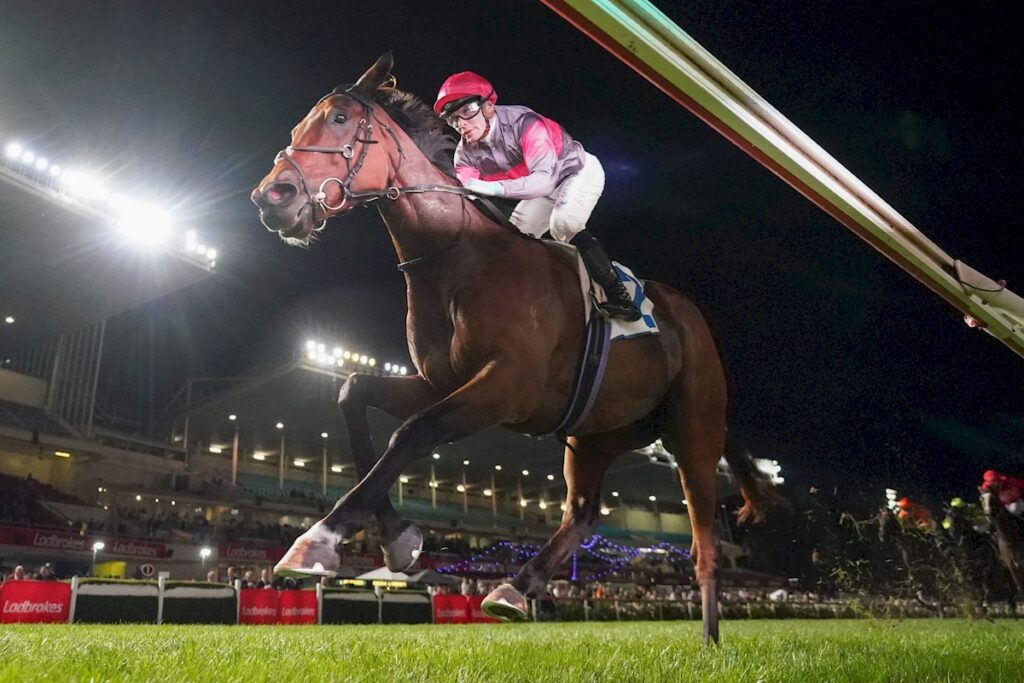
Nervous wait for important answers
Morrison told Betsy their international study will aim to ”determine once and for all whether these substances are endogenous [naturally produced] in racehorses and if so, at what levels.”
The study will likely take some time for completion, given it is global, and will need the input of major laboratories around the world.
“There remains ongoing uncertainty around Formestane and its related substances, which is why we’re commissioning and preparing to fund further scientific studies into them and the circumstances around how and why they’re being detected in our horse racing environment,’’ he said.
“We’ve engaged RASL to lead this work and they are currently scoping that project for us with a view to engaging other international racing labs. The end goal is to determine once and for all whether these substances are endogenous in racehorses and if so, at what levels. At the same time, our Stewards are continuing their own investigations.’’
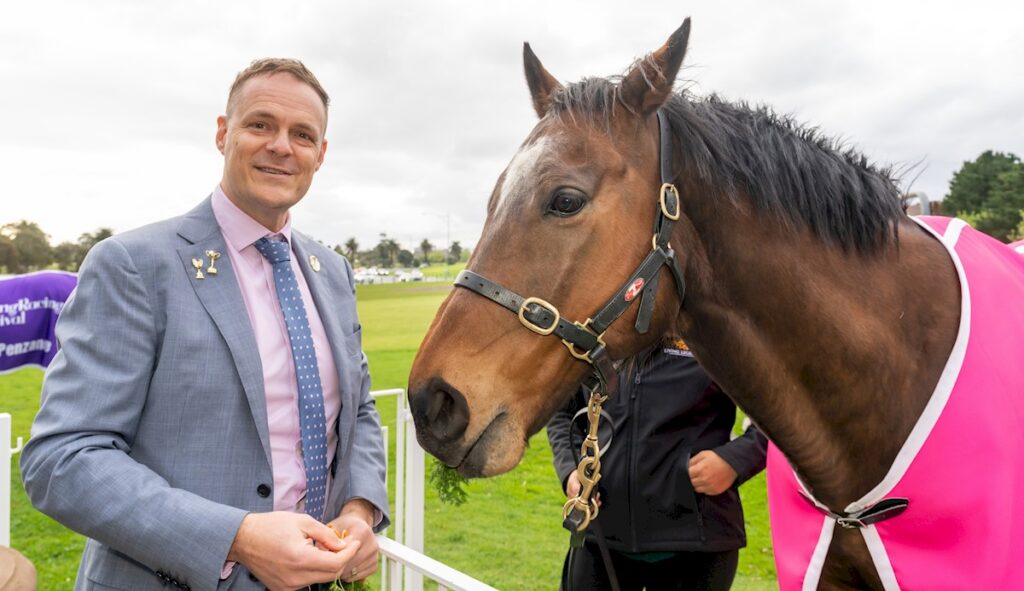
‘This is a complex and unchartered situation’
Racing Victoria and Morrison have faced hard questions about the saga, including their handling of the charges so far.
Their vet at the centre of the saga, Dr Edwina Wilkes, alleged that one possible scenario for the positive tests was that the substances were possibly adminstered either deliberately or accidentally. The trainers, and their supporters, took this as an allegation they cheated, a claim Racing Victoria deny.
Eventually the evidence of Dr Wilkes was withdrawn after errors in her work were identified as part of the legal process. The defence also withdrew their evidence as part of the deal.
The trainers argued in the Victorian Racing Tribunal that it could be possible Formestane might be naturally produced, explaining their positive tests. It is a claim now central to Racing Victoria’s investigations.
Morrison said neither Racing Victoria or veterinary experts have the answers to whether the banned drug can be naturally produced.
“I’ve received loads of questions about these cases and have asked plenty myself of our teams and others. As it stands, we don’t have all the answers everyone may like at this time, but we’re turning over every stone to find them,” he said.
“We’re engaging with experts here and abroad, liaising with other PRAs and their respective integrity and racing labs, as well as with Racing Australia given these are national rules, and we’re commissioning this important research.
“This matter is not just relevant to Victoria. Formestane is being detected in other jurisdictions and codes by RASL and we are aware of other overseas racing labs detecting Formestane in A samples that they have analysed.
“The answers may not come quickly given the complexity and science, but we are determined to get them for everyone’s benefit. This is a complex and unchartered situation and we know it has been a stressful period for all involved.
No justice if science clears guilty trainers
The current rules stipulate that even if the science clears the ‘guilty’ trainers, it is unlikely their punishments will be overturned, according to Morrison.
Further, a national approach would be needed to ensure that low-levels of the banned substance can be found in horses so others won’t be punished, if that’s what the scientific study finds.
“Should the scientific studies we’re commissioning determine that Formestane and its metabolites are endogenous at low levels in racehorses then that would most likely require a change to the national rules and a threshold to be implemented if attainable,’’ he said.
“If that occurs in the future, it’s important to note that the Rules of Racing are generally not retrospective. The rules at the time an offence occurred are generally applied so it would be unlikely to change the outcome for any samples collected prior to that time.”
He also cleared up speculation that there may have been doubt surrounding RASL’s work.
”We fully support the work RASL has undertaken in the cases to date and do not believe that contamination or human error has played any role in their findings around those samples,’’ he said.
View this post on Instagram
Racing Victoria penalties ‘independent of CEO’
Just weeks after Morrison said publicly that trainers found guilty of presenting their horses with Formestane had done nothing wrong, Racing Victoria’s own lawyers asked the Victorian Racing Tribunal for hefty fines as a deterrent and to ‘’send a message’’.
It was a situation that seemed to some contradictory, but Morrison said the decision surrounding penalties is made independent of his office.
“Penalties are sought by our Integrity Team independent of the CEO, which is appropriate governance for a racing regulator and expected of us by Government and the Integrity Commissioner,’’ he said.
“In these cases, the Stewards considered precedents around presentation charges for other anabolic steroids and the fact that these substances are banned at all times which carries a premium compared to therapeutic medications which are banned only on raceday.
‘’I reject reports that RV has stated that the trainers have cheated’’
One significant point of contention in the saga is whether Racing Victoria alleged the 5 trainers found guilty may have cheated.
Publicly and privately, the trainers involved are furious with Racing Victoria’s legal team for the insinuation they may have deliberately administered Formestane, a breast cancer drug. Many of the trainers say they have lost work because of the allegations.
Racing Victoria say they never explicitly say the trainers cheated. They argue their experts said one explanation could be that Formestane was administered either accidentally or deliberately.
“The most hurtful thing is that our reputations have been tarnished for something that we haven’t done – you get called a cheat and there’s nothing worse in this sport,” one of the charged trainers Amy Yargi told Betsy in March.
But Morrison remains strong in his position that Racing Victoria never accused anyone of cheating.
“I reject reports that RV has stated that the trainers have cheated,’’ he said.
”When asked to opine on what would be the most plausible explanation for the positive samples, an RV witness hypothesized that, in the absence of scientific information to the contrary, a plausible cause would be administration, without singling out one form over the other.
”As noted in the VRT, there are potentially two types of administration. There’s inadvertent where contamination or an error is at fault, and there’s deliberate where there’s intent.
“In any event, no one was ever charged with administrating a prohibited substance, be that inadvertently or deliberately. They were charged with presenting a horse to race with a prohibited substance in its system and plead guilty to that. That’s an important point of distinction.
“Whilst every effort was made to establish their origin, it’s important to remember that presentation charges aren’t about establishing how a prohibited substance got there, merely that it was present in the sample.’’
But Morrison concedes that the charged trainers may not agree with his thesis.
“It is incorrect to suggest that RV accused the five trainers of any deliberate actions that led to these positive detections, however I appreciate that the trainers may feel that their experience has been different and we have to respect that. I understand how this has been a challenging period for all involved given the prevailing uncertainty around what appears to be a new matter for racing,’’ he said.
“In the end, we have to uphold the Australian Rules of Racing, but as always if there are learnings we can take from any case then we will do so. In this case, that includes increasing our efforts to try to better understand the potential circumstances and reasons behind the detection of these substances.”
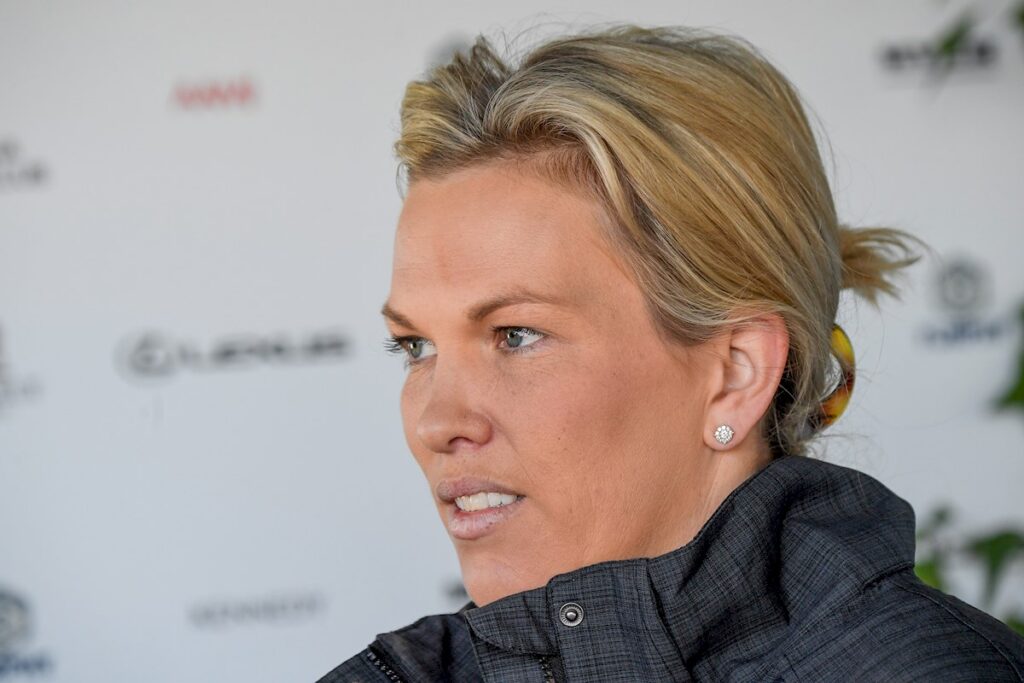
No way out: RV says rules force action
When Racing Victoria publicly conceded the charged trainers had essentially done nothing wrong, some people outside of the administrator started to work-shop ideas on how to protect those caught in the saga.
Racing Victoria argue that under the national rules of racing, they had no choice but to charge and prosecute the trainers.
One idea put forward was to create a new Victorian rule that would have essentially adjourned these charges until the scientific studies were complete, a move Racing Victoria say they cannot do.
“The penalties determined by the VRT, an independent panel, in these five cases have now created a precedent. Whilst each case is treated on its merits based upon the information and facts at the time, I expect our Stewards will be proceeding with other cases on the same basis and using that precedent until such time as there is verified information or evidence to the contrary,” Morrison said.
“Formestane and its metabolites remain strictly prohibited substances under the Australian Rules of Racing and the Stewards can’t shy away from their responsibility to apply the rules and uphold the integrity of the sport.
“The idea of a local rule has been raised by some, but local rules cannot contradict national rules which take precedence, particularly where a substance is banned at all times, so that is not a current consideration.
“Putting that aside, even if the rules were changed at a national level in the future, the rules are generally not retrospective and therefore would apply as they were written at the time a sample was collected.
“As I stated earlier, we are very keen to get to the bottom of this to try and remove some of the uncertainty that remains around Formestane and its related substances for the sake of all parties. That’s why we’re commissioning and preparing to fund an important global research study. We want all the answers as much as any other person.”
RV overhauls rules to fast-track cases
Racing Victoria also revealed a significant change to how it deals with similar cases moving forward.
The case of the five trainers took nearly two years to finalise. In similar cases moving forward that involves guilty pleas, Stewards will now be able to determine penalties based on evidence and legal precedents. It’s a move that could save significant time and money.
“As a relevant aside, the RV Board and VRT have approved the removal of the presentation rule, AR240, from the list of serious offences from 1 July 2025,’’ Morrison said.
“This means that for any breaches of this rule where the sample is collected after this date, regardless of the substance, the Stewards can conduct an inquiry and make a determination rather than it be sent directly to the VRT.
“This change is designed to streamline the process for all parties, minimising costs, timelines and stress, whilst maintaining all appeal rights for participants.”