
The whip rules in Australia are no more than glorified virtue signalling. They need to be either changed or scrapped.
They are there to appease a section of the community that doesn’t like the optics of the padded crop whacking the stars of our sport. Which is fine and understandable, but the current framework is dumb.
The contentious whip rules state that jockeys can whip their mount 5 times before the 100m and essentially unlimited after that.
The rules are simple enough but the execution of the punishment is as clear as mud.
What is obvious now, however, is race results are almost certain not to be overturned if riders break the rules.
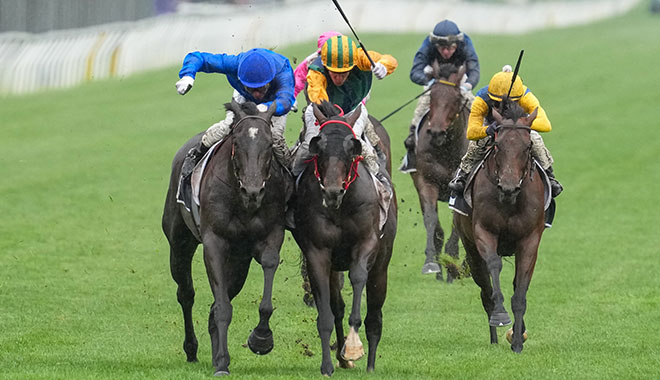
Perhaps the most clear example of why the whip rules are half-pregnant was in the thrilling finish to Saturday’s Group 1 Champions Mile.
Ceolwulf and Chad Schofield narrowly held off Pericles in a classic photo finish. The complicating factor? Schofield whipped his mount nine times before the 100m mark – four more than allowed.
And the margin? .06 of a length.
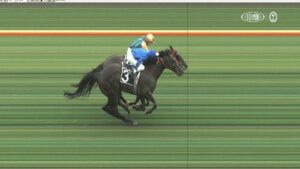
If the whip gave Schofield an advantage, and he won the race by such a narrow margin, how is that fair?
Are the rules to protect racing’s image or to help the integrity of an outcome?
Is the image of the sport questioned by a rider breaking the rules and keeping the win?
Were Melham and connections of Pericles notified of the whip breach in case they wanted to launch their own protest?
If the margin was so narrow and stewards viewed the transgression as so serious, was there consideration to overturning the race?
Simply, if stewards don’t overturn a margin so slim for a whip breach, they never will. [Both riders were also punished for reckless riding – Schofield was given an 18 meeting suspension, Melham was reprimanded].
Betsy is not taking a position on what should have transpired – but what is clear now is that the whip rule is all about the vibe and how racing is perceived in the broader community.
Stewards suspended Schofield for 11 meetings and fined him $35,000 – a big whack, sure, but he and connections just won a $3 million Group 1 – I’m sure they will all get over it.
Stewards famously lodged their own protest and overturned a dead heat at Flemington in 2022 when Blake Shinn used his whip excessively prior to the 100m mark.
So, by taking Shinn’s punishment and comparing that to Schofield’s, you could argue the difference between stewards intervening and overturning a whip breach is .06 of a length – it has to be a dead heat or the result stands. It really makes little sense.
A thrilling finish 😮💨
A measured ride sees CEOLWULF surge late to capture the Lexus Champions Mile by a nose.
🎥 @wwos | #StakesDay | #MelbCupCarnival pic.twitter.com/ytu48XaklG
— Victoria Racing Club (@FlemingtonVRC) November 8, 2025
Under the rules, stewards do amplify the penalties for Group races – essentially the higher the stakes, the higher the penalty.
Jockeys have told Betsy previously it is near impossible to count your strikes – riding a heavy animal, at significant speed, surrounded by others doing the same where the risk of serious injury is high – the whip guidelines are another complicating factor where riders have to do their best.
RV famously said in 2020 they wanted the whip phased out. They said at the time that community expectations had shifted and change was warranted. Animal welfare groups, including with the RSPCA who RV work closely with, want the whip banned.
It was explained to me once by an administrator that they want the ‘casual fan to not be offended by what they see on TV’.
The ridiculous nature of the current rules though is it’s always the finish that’s shown on TV networks – where jockeys can use their whip as much as they like. Dumb.
Issue is, it’s a national rule so change is unlikely to ever happen, given Racing NSW are currently happy with where things are at. [Remember when RV did a whip free race series? Even that caused political outrage amongst sections of the racing world].
Ceolwulf keeping his nail-biting win yesterday made it clear the rules are nothing more than simply racing trying to appease a section of the community that doesn’t like it.
The rules want the best of both worlds – to show the world racing cares about the horses but protect the integrity of the sport. They do neither.