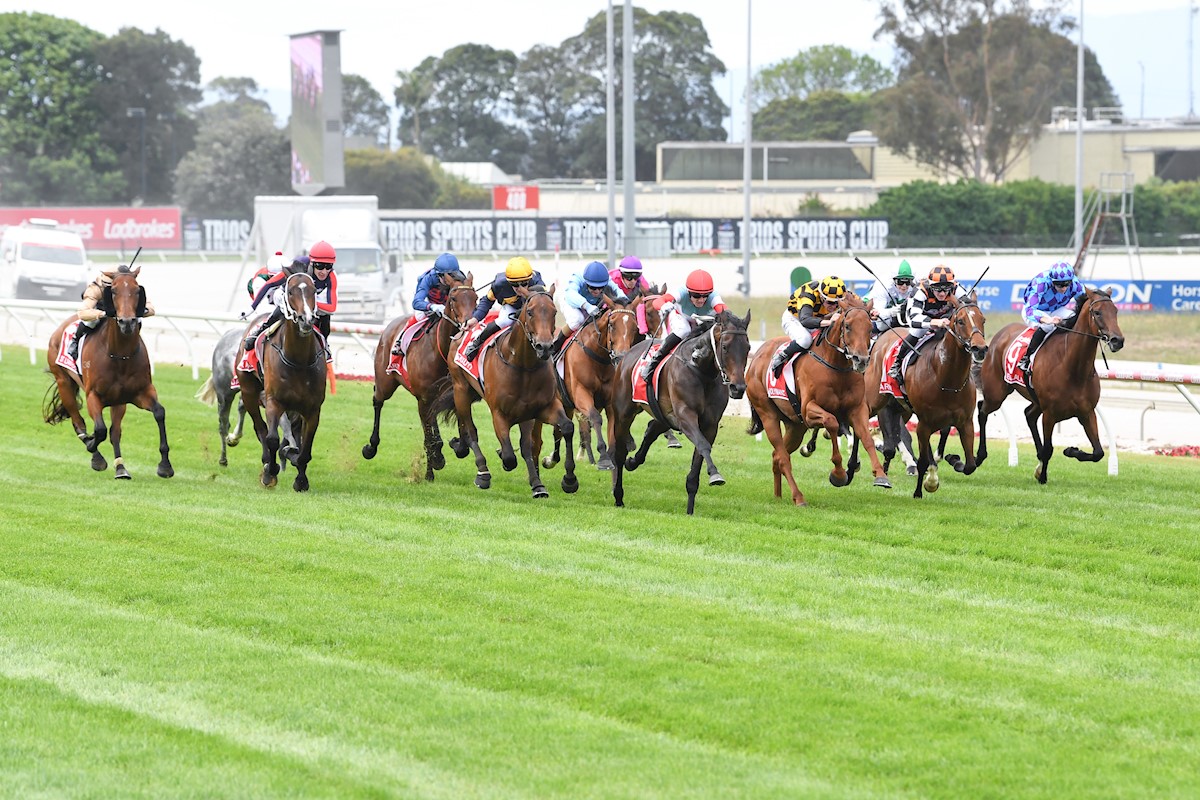

Reducing race meetings does not have to mean shrinking racing. Smarter scheduling, deeper cards and a clearer focus on wagering demand could improve safety, boost turnover and better protect the industry’s future.
Importantly, the idea of doing less, but doing it better, is already being contemplated.
Victoria has actively reduced the volume of race meetings in each of the past two seasons.
READ: Are there too many racetracks? Racing’s uncomfortable question
In Queensland, the McGrath Review recommended a reduction in race meetings conducted by clubs hosting 20 or fewer meetings per year. The Queensland Government has confirmed it wants that recommendation implemented, with responsibility now sitting with Racing Queensland.
That recommendation is not a direct rationalisation of clubs or tracks, but it acknowledges Queensland runs too many races relative to demand and funding capacity. Queensland has a particularly long tail of far-flung country venues, and the review recognised that spreading limited resources across so many meetings is not sustainable.
Another inconvenient truth is that the majority of race meetings are loss-making at an industry level. They are staged because the calendar demands them, not because they make commercial sense. There is a strong argument that racing does not need to run as many meetings as it currently does.
Fewer meetings can be scheduled more intelligently, focused on days and timeslots that consistently generate higher wagering turnover. This is not about racing less, but racing smarter.
Reducing meetings does not automatically mean reducing races. Demand can be met by running more nine and ten-race cards rather than six or seven-race programs. From a fixed-cost perspective, this is a materially better outcome. Whether a meeting has six races or ten, many costs are largely the same.
Fewer meetings will produce better field sizes, which in turn drive wagering turnover. Bigger fields mean deeper markets, more betting options and a stronger product for punters.
There is also scope to better utilise the tracks that already produce the strongest wagering outcomes. Flemington, widely regarded as the best racetrack in the country, hosts only 21 meetings a year. No one is suggesting it should compromise surface quality, but it is reasonable to ask whether some of the industry’s highest-quality tracks could shoulder a slightly greater share of the calendar.
READ: Are there too many racetracks? Racing’s uncomfortable question
Racing often struggles with its dual identity. It is both a professional industry and, at the margins, a hobby-driven pursuit supported by volunteers and small trainers. That long tail can coexist, but long-term strategy cannot be built around nostalgia or avoidance of difficult decisions.
Victoria provides a useful case study, but the same structural issues exist across Australia and New Zealand. Having punted extensively in New Zealand last year, it is hard to escape the conclusion that the system there is even closer to a tipping point.
If racing wants to be sustainably funded ten, twenty or thirty years from now, it must prioritise wagering turnover, product integrity and safety, and punter confidence. That means being honest about scale, efficiency and where limited resources are best deployed.
This is not an argument for reckless closures or abandoning regional racing. It is an argument for honesty, strategic discipline and a willingness to confront reality. Racing owes that to its participants, and it certainly owes it to the punters who ultimately fund the sport.